

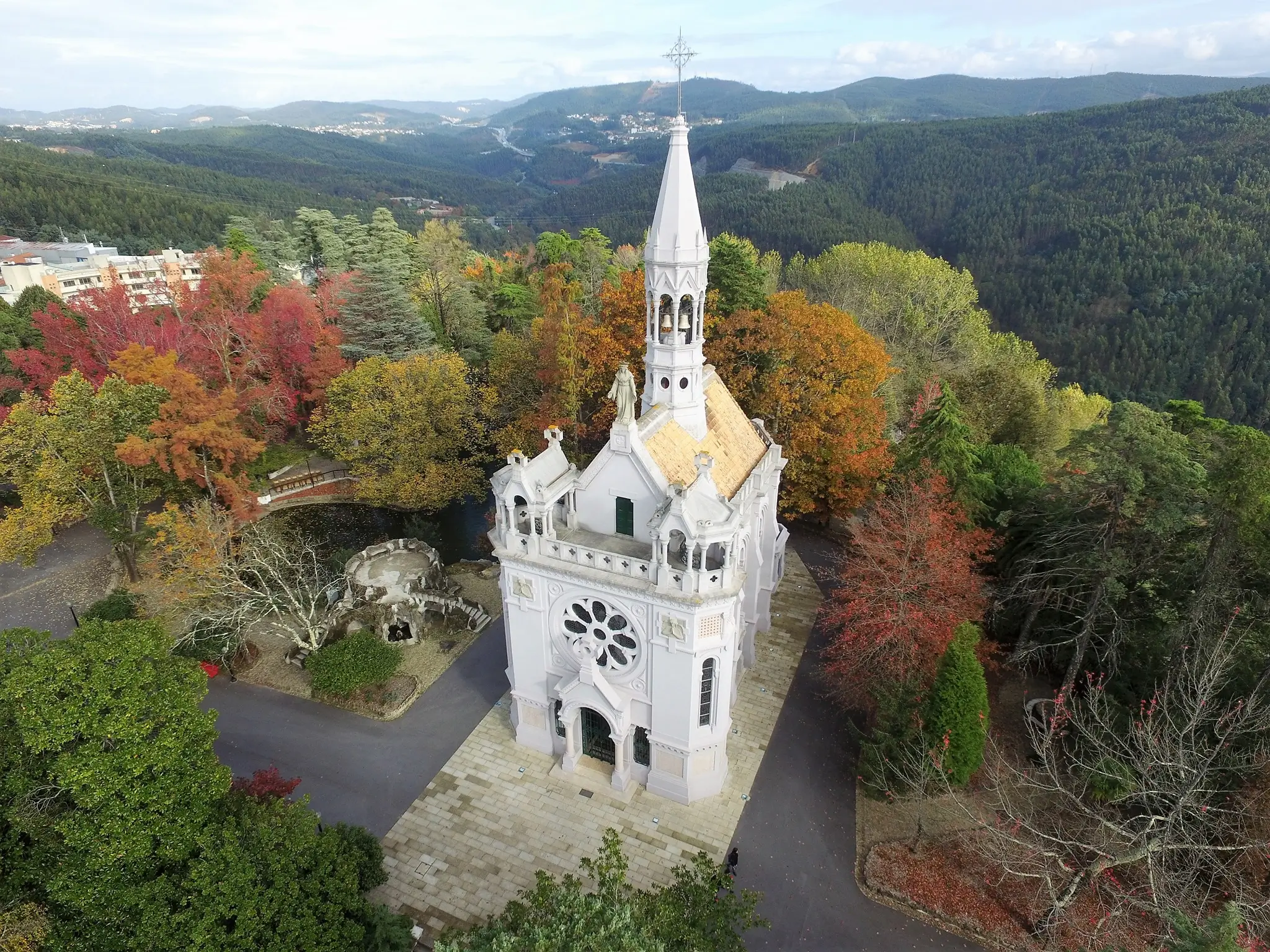
Our Lady of La-Salette
The La SalettePark, known for its beauty and tranquility, is considered the emblem of the city of Oliveira de Azeméis.
Overlooking the city, the park celebrated its first centenary in 2009. Every August, thousands of people head there for the Festivities in honour of La Salette.
The park was born from a promise made by the people of Oliveira de Azeméis to Our Lady of La Salette, asking for rain. The promise was fulfilled with the construction of a chapel, inaugurated on 19 September 1880. The first works in the park began on 7 April 1909. The park's overall design was conceived by Jerónimo Monteiro da Costa, a landscape architect from the turn of the 19th century and heir to a 19th-century culture of horticulture and gardening, who at the time was Director of the Municipal Gardens of Porto and of the Royal Horticultural-Agricultural Company of Porto.
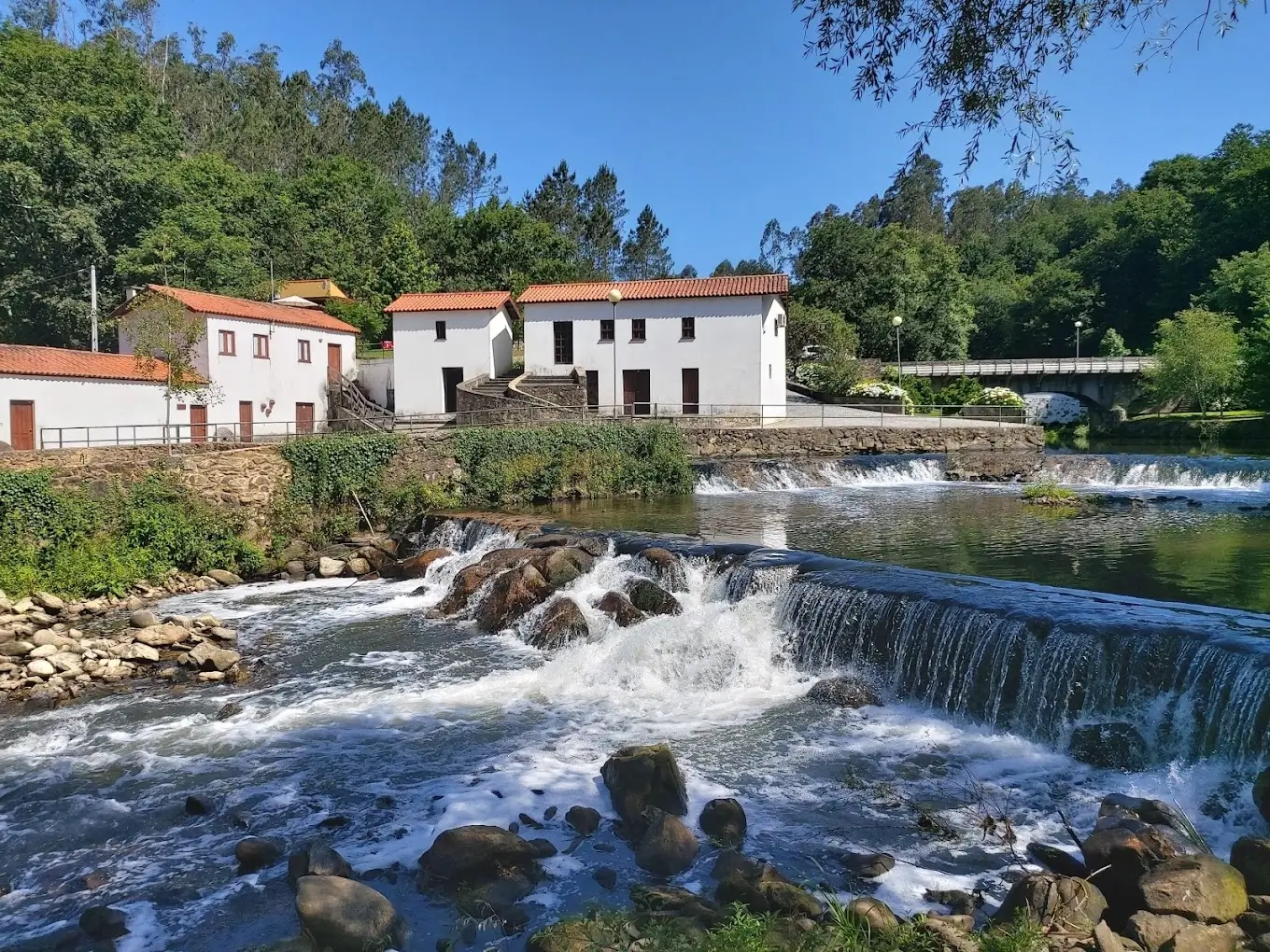
MILLING THEME PARK
The Milling Theme Park of Oliveira de Azeméis aims to be a “living museum” of the structures used for bread-making and grain milling, an activity with more than 200 years of history.
Besides being a pleasant and touristically appealing place, the park also serves as an educational space for schoolchildren and young people.
The site comprises 11 water mills, most of which were restored by the local council under an application to the 3rd Community Support Framework, with the rest restored by private developers. One of the main areas seeks to recreate the entire process associated with drying, grain milling and bread-making, allowing visitors to watch, live, the milling of grain and the bakers preparing the traditional bread of Ul.
At the museum level, there is also space to discover the tools associated with these crafts, as well as a multimedia area.
Another area is dedicated to the rice-husking industry, which emerged from the decline of the original grain-milling activity.
A third area, located in the parish of Travanca, makes use of the riverside setting for environmental education activities and recreational and leisure pursuits.
The aim of the milling park is to become part of the region's tourist circuits, promoting the municipality of Oliveira de Azeméis as a destination linked to the enjoyment of its heritage, historical and landscape resources.
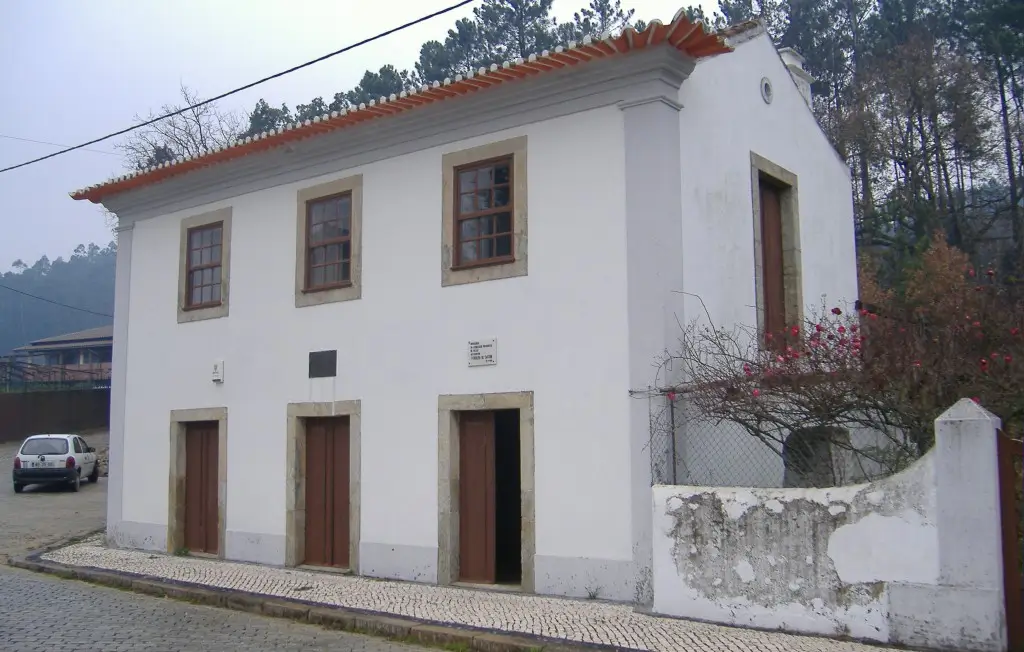
Ferreira de Castro House-Museum
The Ferreira de Castro House-Museum is located in Ossela, Oliveira de Azeméis, and is the former birthplace of the writer José Maria Ferreira de Castro (1898–1974), author of works such as A Selva and Volta ao Mundo.
The 19th-century building was donated by the writer himself to the Town Council in 1967 and turned into a museum. Today it preserves books, manuscripts, personal belongings and mementos of his travels, spread across several indoor spaces and a garden.
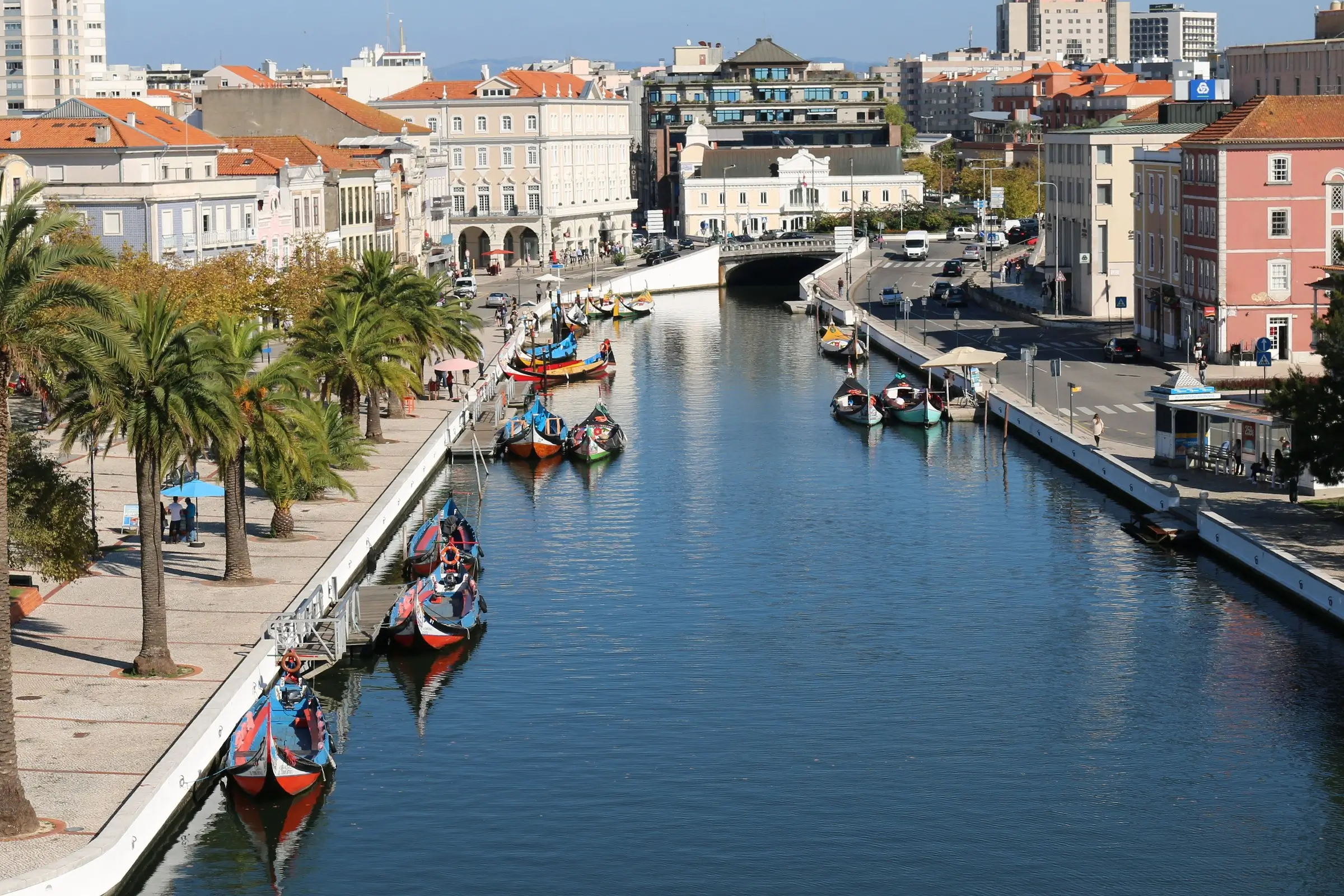
Ria de Aveiro
The lagoon resulted from the retreat of the sea and the subsequent formation of coastal sandbars, later becoming part of the Vouga River estuary. The city of Aveiro is well known as the “Portuguese Venice” precisely because of the ria and its four famous canals.
From a natural standpoint, its biological richness is due mainly to the presence of seagrass meadows and one of the largest continuous salt marshes in Europe. Its waters are home to species such as lampreys, clams, storks, herons and some birds of prey.
Serra da Freita
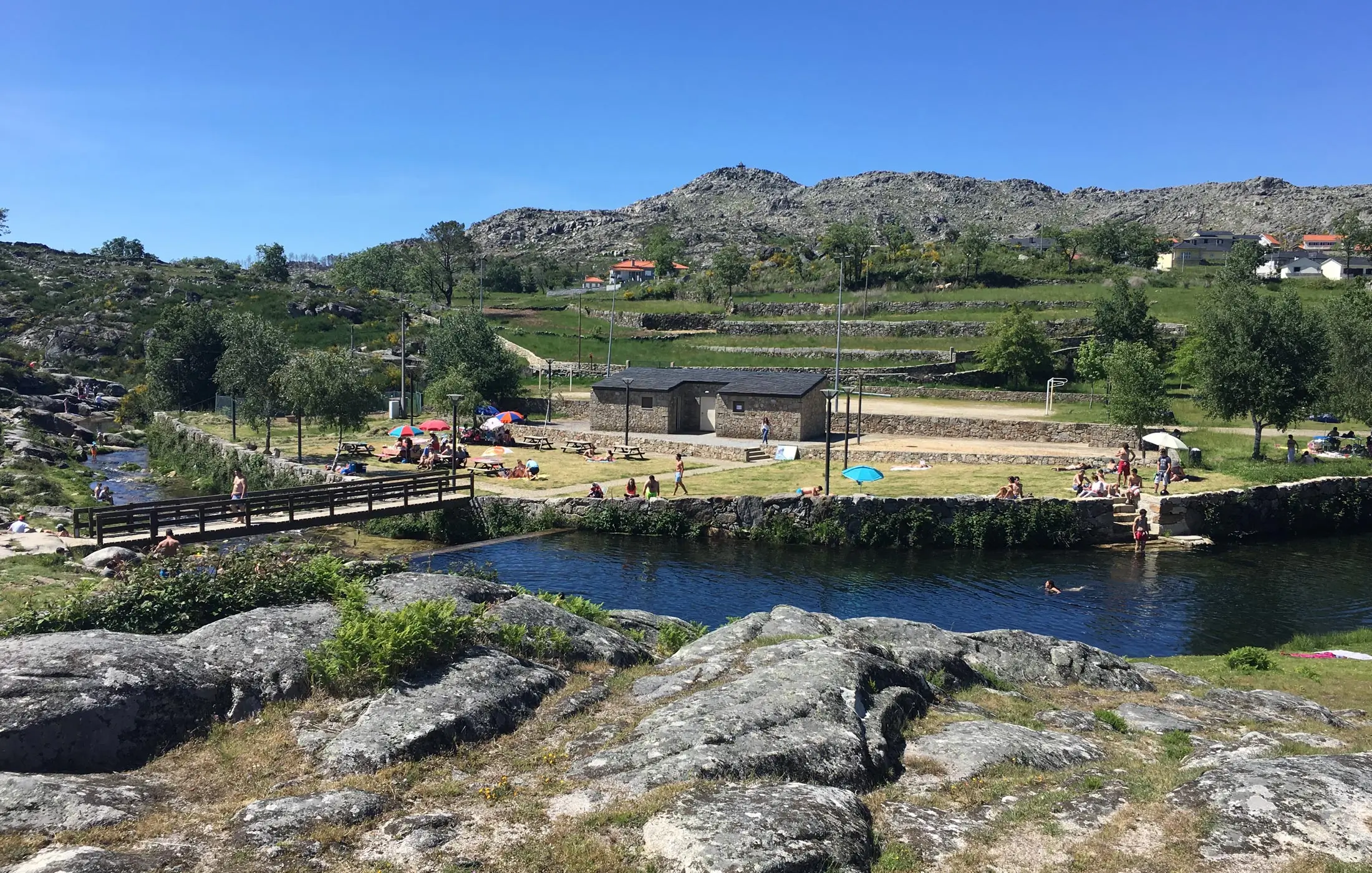
The Serra da Freita is a mountainous area of great natural beauty in north-central Portugal. It reaches a maximum altitude of 1,085 metres at Pico de São Pedro Velho and extends across the parishes of Arões and Cepelos, in the far northeast of the municipality of Vale de Cambra, sharing territory with the municipalities of Arouca and São Pedro do Sul.
It is part of the imposing Gralheira Massif, together with the Serra da Arada, Serra de São Macário and Serra do Arestal. Visitlafoes
Its best-known points of interest are:
- Frecha da Mizarela — a 70-metre waterfall, one of the highest in the country, near the source of the Caima River, at an altitude of 910 metres.
- Pedras Parideiras — a unique rock formation whose name comes from a phenomenon that produces polygonal fissures in the rock.
- Aldeia de Drave — an uninhabited, isolated village, nestled in a deep hollow between mountains, part of the Arouca Geopark.
It is the perfect destination for those who enjoy trails, river beaches, pools, waterfalls and breathtaking landscapes, and can be visited at any time of year.
Passadiços do Paiva
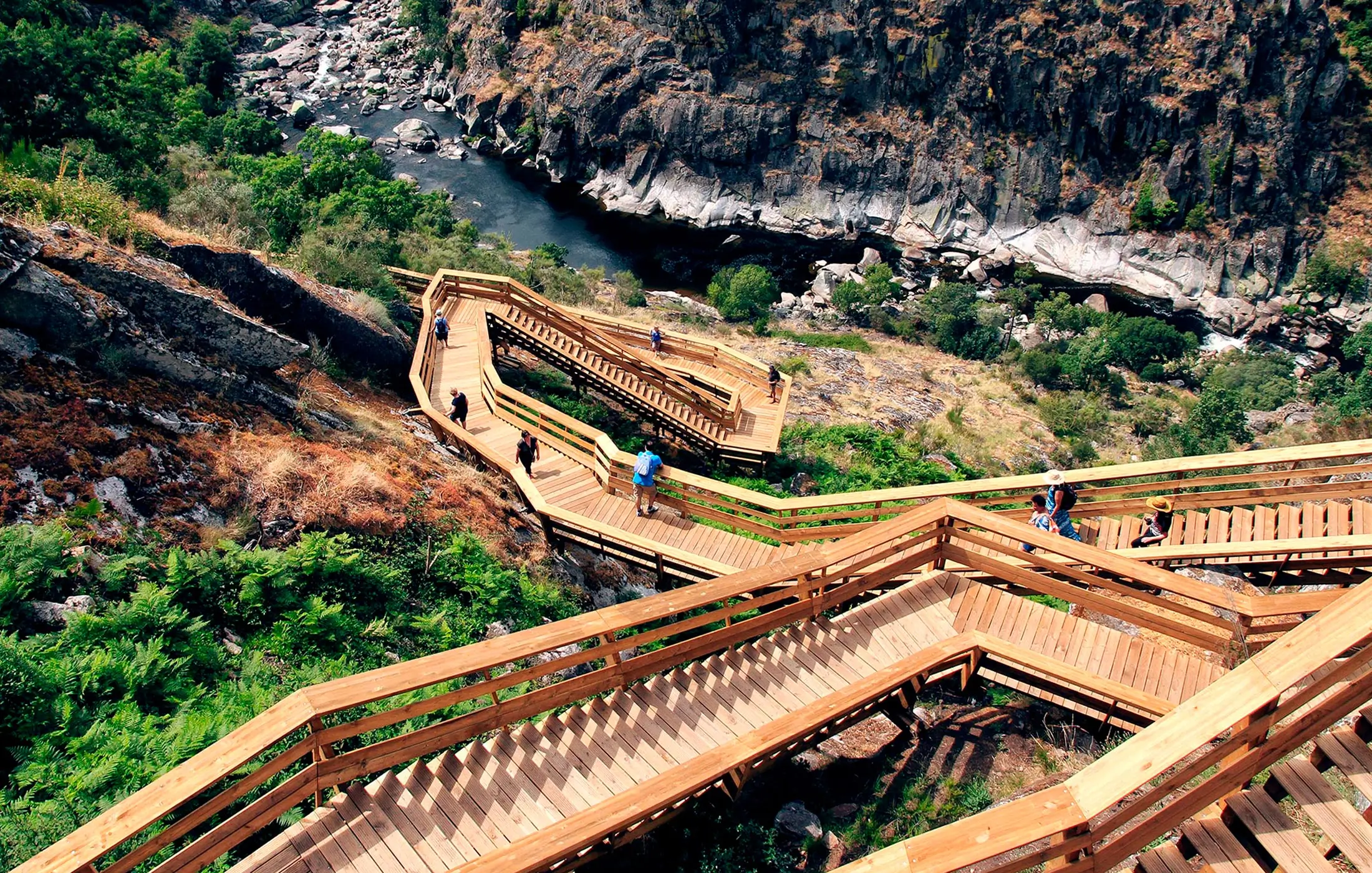
The Passadiços do Paiva are one of the most iconic pedestrian trails in Portugal. They are located on the left bank of the Paiva River, in the municipality of Arouca, Aveiro district, and offer an 8 km walk surrounded by landscapes of exceptional beauty, in a true natural sanctuary, alongside white-water rapids, quartz crystals and species endangered in Europe.
They were opened in June 2015 and have already welcomed more than one million visitors since then. The route runs between the Areinho and Espiunca river beaches, and includes sections of wooden walkway, solid ground and stairways.
Along the way, you can admire notable geological features such as the Paiva Gorge, the Aguieiras Waterfall, the Vau River Beach, the Gola do Salto and the Espiunca Fault.
Nearby you will also find the Ponte 516 Arouca, the world's longest pedestrian suspension bridge, standing 175 metres high and 516 metres long.
The walkways have already won several tourism awards, most notably the World Travel Awards, having won in the categories of “Europe's Leading Tourism Development Project”, “Europe's Leading Adventure Tourism Attraction” and “World's Leading Adventure Tourism Attraction”.